
"air roasting"
6000 article(s) found

Where does the pressure difference in coffee roasting come from? Why use "differential pressure gauge"?
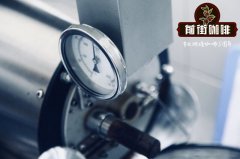
Professional coffee knowledge exchange more coffee bean information please pay attention to the coffee workshop (Wechat official account cafe_style) what is a differential manometer to measure the pressure difference between the two ends is called a differential manometer, a differential pressure gauge is installed in the exhaust duct to measure the pressure difference between the bean roaster boiler and the outside, in Pa. Can be simply divided into mechanical pressure difference meter and digital pressure difference meter: mechanical pressure difference meter
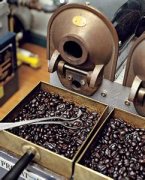
Introduction of coffee utensils roaster
The roaster is mainly divided into four types: direct fire type, semi-hot air direct fire type, hot air type and electric type. 1. Direct fire is the earliest baking tool, that is, the raw beans are roasted by fire and then transferred to the drum. The built-in motor keeps running the drum and stirring the coffee beans in the drum, trying to make each coffee bean come into contact with the hot iron evenly to achieve the goal of balanced roasting.

Basic knowledge about roasting of boutique coffee
one。 The meaning of baking 1. The definition of roasting so-called coffee roasting (coffee roasting) refers to the heating of raw beans to promote a series of physical and chemical reactions inside and outside of coffee beans, and in this process to produce a variety of sour, bitter, sweet and other flavors of coffee, forming mellowness and hue, and converting raw beans into dark brown beans. two。 The importance of baking is affecting a cup of coffee.
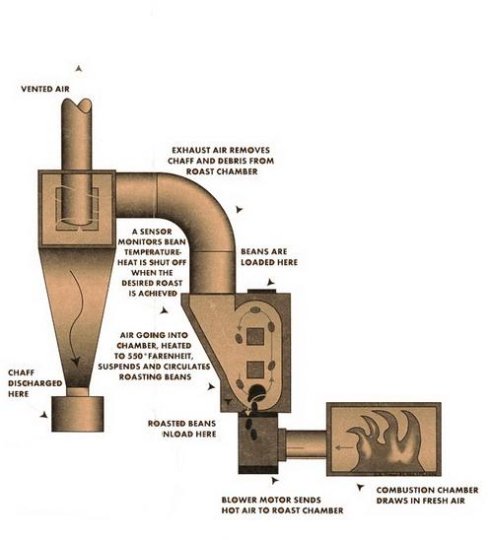
Theoretical roasting of coffee beans and the relationship between roasting and high-quality acid effect of inferior chlorogenic acid on coffee quality
In addition to the degree of baking is divided into factions, even the roaster also has a family view. At present, there are two major professional roasters, one is the traditional rolling furnace (Drum Roaster), and the other is the newly developed hot gas furnace (Air Roaster). The former is heated by gas across the bottom of the furnace, while the metal blades in the furnace keep stirring the beans, while the latter bakes the beans with high-temperature hot air flow.
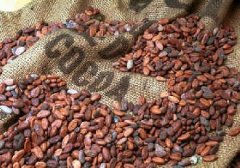
General knowledge of roasting of coffee beans electrothermal baking technology
Electricity was only used to drive the rollers of traditional drum dryers and blowers and cooling fans at the end of the 19th century, but it was not an effective source of heat for large-scale baking at that time. Any chef knows that the rate at which electricity is converted into heat is much lower than that at which gas is converted into heat; in addition, the price of gas is much cheaper than electricity. Just from here.
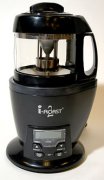
Hot air household roaster i-ROAST 2
Model: i-ROAST 2 Coffee Roaster (hot air household roaster) Brand: i-Roast specification: length / width / height (9/9/32cm) gross weight 2.7kg 150g baking quantity Power: 230V Power: 1500W characteristics: the most popular household roaster with full function, easy to use, suitable for coffee players to bake coffee with personal characteristics and taste. 150g coffee can be baked each time.
Classification description of coffee roaster
Direct fire type, semi-direct fire type (semi-hot air type) and hot air type direct fire type: at present, it is recognized as the model that can most cause the original flavor of coffee among the roasting utensils. Its source of fire has direct contact with coffee beans, so it can produce a better flavor of coffee beans. However, its baking process has a great impact on the finished product, so the roaster must have a certain foundation, but this type of machine is also more capable of making.
The history of coffee roaster is who invented the semi-direct fire and hot air which is better
Roasting green beans into aromatic coffee requires one important piece of equipment: a bean dryer. However, people have been drinking coffee for hundreds of years. At that time, there was no such advanced equipment. Instead, they started from the most spring way. Do you know the history of baking beans? Why are baking beans designed this way? How has history evolved? Let's look at the evolution of coffee roasting! coffee

Hot air household roaster i-ROAST 2 Coffee Roaster
Model: i-ROAST 2 Coffee Roaster (hot air household roaster) Brand: i-Roast specification: length / width / height (9/9/32cm) gross weight 2.7kg 150g baking quantity Power: 230V Power: 1500W characteristics: the most popular household roaster with full function, easy to use, suitable for coffee players to bake coffee with personal characteristics and taste. 150g coffee can be baked each time.
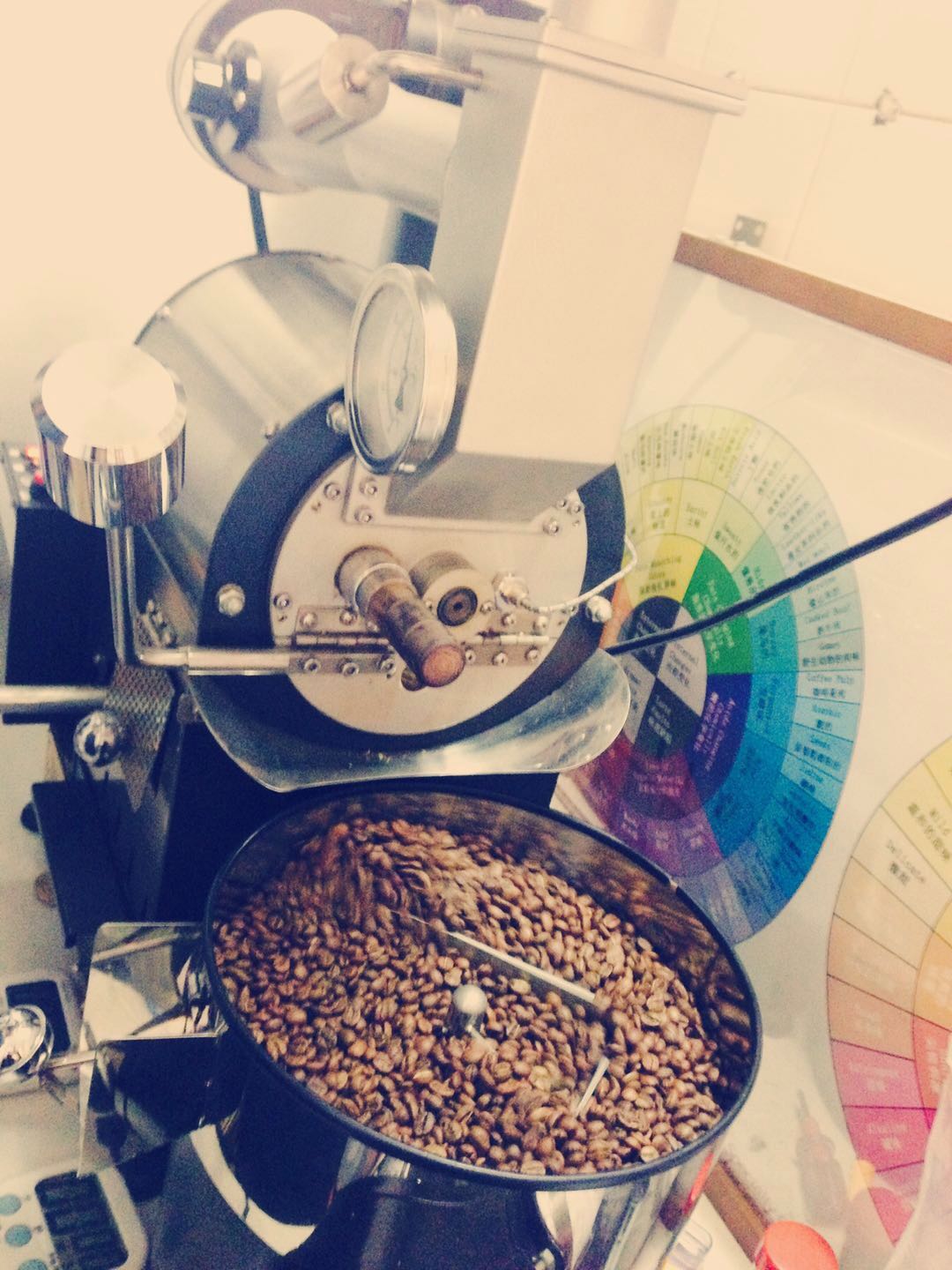
Coffee beans roasting knowledge points: basic knowledge about roasting to understand the key points affecting coffee quality
I. The so-called coffee roasting (coffee roasting) refers to the process of converting raw beans into dark brown raw beans by heating the raw beans to cause a series of physical and chemical reactions inside and outside the coffee beans, and in the process to generate various flavors such as acid, bitterness, and sweetness of coffee, forming alcohol and color. 2. The importance of baking affects a cup of coffee
Introduction of roaster roaster is mainly divided into four categories
The roaster is mainly divided into four types: direct fire type, semi-hot air direct fire type, hot air type and electric type. 1. Direct fire is the earliest baking tool, that is, the raw beans are roasted by fire and then transferred to the drum. The built-in motor keeps running the drum and stirring the coffee beans in the drum, trying to make each coffee bean come into contact with the hot iron evenly to achieve the goal of balanced roasting.
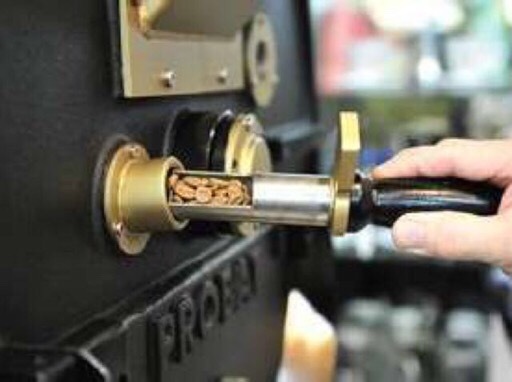
Coffee roasting heat source heat conduction and convection
At present, the most widely used baking equipment is semi-direct fire (semi-hot air) baking, where the half is only relative to the baking heat source, not the thermal efficiency distribution ratio, such as the probat baking machine we use, in terms of thermal efficiency distribution, it is about 3(direct fire):7(hot air) or 2:8, rather than 5:5. In this article, I try to analyze the characteristics of these two heat sources.

Professional coffee roasting | experience of air temperature measurement
For the exchange of professional baristas, please follow the coffee workshop (Wechat official account cafe_style). I personally think that no matter how high-end the roaster is, if you really want to grasp its characteristics, you must have at least four measurements to compare, otherwise you can only spend a lot of time and beans constantly trying and making mistakes, and the four measurements are incoming air temperature (incoming air temperature, Inlet air te).

American-made Diedrich Roaster coffee roaster introduces infrared coffee roasting technology
American-made Diedrich Raoster general gas-fueled bean roaster uses open fire to heat air or inner pot (drum), metal heat conduction and hot air to bake coffee, which can be roughly divided into three styles: direct fire, semi-hot air (semi-hot air) and full hot air. Although the alternative baking of infrared heater (Infared Burner) combined with steel plate heat exchanger (Heat Exchange) is rare in China.

Knowledge of classification of coffee roasting methods
Following Cafe Review (Wechat official account vdailycom) found that Beautiful Cafe opened a small shop of its own baking methods category 1. The direct-fire baking machine puts the raw beans into a perforated drum and then contacts the beans directly with the fire of the gas burner. There are two simple and common ways: 1, a kind of direct-fire baking machine, commonly known as soil cannon 2, hand net baking
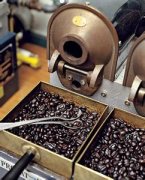
Introduction of roaster Coffee bean roaster is mainly divided into four categories
The roaster is mainly divided into four types: direct fire type, semi-hot air direct fire type, hot air type and electric type. 1. Direct fire is the earliest baking tool, that is, the raw beans are roasted by fire and then transferred to the drum. The built-in motor keeps running the drum and stirring the coffee beans in the drum, trying to make each coffee bean come into contact with the hot iron evenly to achieve the goal of balanced roasting.
The basics of coffee roasting
one。 The meaning of baking 1. The definition of roasting so-called coffee roasting (coffee roasting) refers to the heating of raw beans to promote a series of physical and chemical reactions inside and outside of coffee beans, and in this process to produce a variety of sour, bitter, sweet and other flavors of coffee, forming mellowness and hue, and converting raw beans into dark brown beans. two。 The importance of baking is affecting a cup of coffee.
Toper Coffee Roaster 360 kg (Gas) TKM-SX 360 Gas Coffee Bean Fresh Roasting
Single production: 360kg Green coffee beans Roasting time: 10 minutes-light roasting, 15 minutes-deep roasting Roasting quantity: 2160kg/h = light roasting, 1440kg/h = deep roasting Roasting method: thermal equipment, semi-hot air (semi-direct fire), hot air burning Single production: 360kg Green coffee beans Roasting time: 10 minutes-light roasting, 15 minutes-deep roasting Roasting

El Salvador Buenos Aires Farm History introduction 2003COE Champion Manor
El Salvador Buenos Aires Farm country: El Salvador Manor: Buenos Aires Farm producing area: Santa Ana volcanic area treatment: washing varieties: bourbon Buenos Aires this is located in the famous Santa Ana volcanic area of El Salvador, a very old coffee farmer.

A preliminary exploration of coffee bean roasting! Fried beans are also knowledgeable.
The purpose of roasting: to increase the complexity of coffee to form the color of coffee to form the unique aroma of coffee this method of roasting coffee beans seems to have become popular after the 13th century and until then it had been used to make soup with raw coffee beans. Baking method classification 1 direct-fire baking direct-fire roaster puts raw beans into a perforated drum and then contacts the beans directly with the fire of a gas burner.